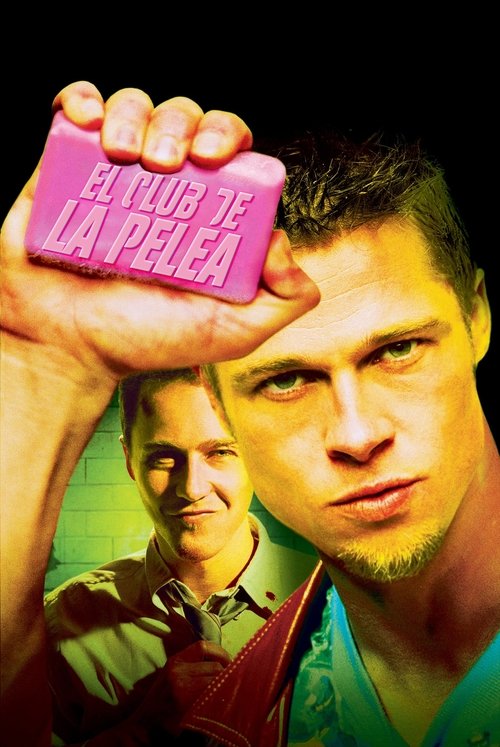
El Club de la Pelea
Resumen
Un hombre consumido por el insomnio y una vida sin sentido conoce a Tyler Durden, un carismático anarquista que lo arrastra a un club secreto donde el dolor despierta algo dormido. Lo que comienza como liberación pronto se convierte en una guerra contra el sistema…
Reparto principal
Edward Norton
Narrator
Brad Pitt
Tyler Durden
Helena Bonham Carter
Marla Singer
Meat Loaf
Robert Paulson
Jared Leto
Angel Face
Zach Grenier
Richard Chesler (Regional Manager)
Holt McCallany
The Mechanic
Eion Bailey
Ricky
Richmond Arquette
Intern at Hospital
David Andrews
Thomas at Remaining Men Together
George Maguire
Group Leader at Remaining Men Together
Eugenie Bondurant
Weeping Woman - Onward and Upward
Reseñas
David Fincher's 'Fight Club' has become a cultural phenomenon since its release, with its iconic characters, witty dialogue and unique storytelling. The film tells the story of a man experiencing an existential crisis who creates a movement, and it is elevated by the dynamic performances of Edward Norton and Brad Pitt as unlikely partners, and Helena Bonham Carter as the quirky Marla Singer. The film's originality, part-time drama, part-time dark comedy, and its themes of existentialism, masculinity and consumerism have made it a timeless classic. While the film may feel a bit dated at times, it's undeniable that 'Fight Club' has left an indelible mark on cinema and pop culture. __________________ 'Fight Club' de David Fincher se ha convertido en un fenómeno cultural desde su lanzamiento, con sus personajes icónicos, diálogos ingeniosos y narraciones únicas. La película cuenta la historia de un hombre que experimenta una crisis existencial que crea un movimiento, y se eleva con las actuaciones dinámicas de Edward Norton y Brad Pitt como socios poco probables, y Helena Bonham Carter como la peculiar Marla Singer. La originalidad de la película, el drama a tiempo parcial, la comedia negra a tiempo parcial y sus temas de existencialismo, masculinidad y consumismo la han convertido en un clásico atemporal. Si bien la película puede parecer un poco anticuada a veces, es innegable que 'Fight Club' ha dejado una marca indeleble en el cine y la cultura pop.
(CASTELLANO) Hay películas que marcan una época, que no solo cuentan una historia, sino que destapan una generación entera. Fight Club es una de ellas. David Fincher construye una bomba visual y emocional que explota contra la alienación moderna, el consumismo y la falsa identidad que creamos para sobrevivir. Es brutal, provocadora, incómoda… y absolutamente brillante. Edward Norton encarna a la perfección al hombre sin rumbo, atrapado en una rutina vacía, hasta que aparece Tyler Durden, interpretado por un Brad Pitt en estado de gracia. Juntos encarnan esa dualidad que todos llevamos dentro: el que obedece y el que querría destruirlo todo. Lo fascinante es cómo Fincher convierte esa rabia contenida en una especie de liberación colectiva que se le va de las manos, reflejando un malestar social que sigue vigente hoy. La puesta en escena es de una energía salvaje. El montaje, la fotografía y la voz en off te arrastran a un viaje que pasa del humor negro a la locura total. Fincher juega con la estética, con la narrativa y con el espectador, hasta ese giro final que te deja sin aliento. Y entonces suena “Where Is My Mind” de los Pixies, y todo encaja: el caos, el amor, la destrucción… y la calma después de la explosión. Más allá de su violencia o su tono nihilista, Fight Club habla del vacío, de la necesidad de sentir algo real aunque duela. Es una crítica feroz a la apatía del hombre moderno y al sistema que lo anestesia con cosas que no necesita. Pero también es una historia sobre la identidad, sobre el miedo a ser uno mismo en un mundo que premia la obediencia. Fincher firma aquí una de las obras más influyentes del cine contemporáneo. Una película que envejece bien porque no ofrece respuestas, solo preguntas incómodas. Fight Club no se limita a golpear: te sacude por dentro. Y cuando termina, sientes que algo dentro de ti también se ha roto, pero para bien. (ENGLISH) There are films that define an era — movies that don’t just tell a story but expose the pulse of a generation. Fight Club is one of them. David Fincher builds a visual and emotional bomb that detonates against modern alienation, consumerism, and the false identities we create to survive. It’s brutal, provocative, uncomfortable… and absolutely brilliant. Edward Norton perfectly embodies the lost man, trapped in an empty routine, until Tyler Durden appears — Brad Pitt at his most magnetic. Together, they personify the duality we all carry within: the obedient self and the one who longs to destroy everything. What’s fascinating is how Fincher turns that contained rage into a collective liberation that spirals out of control, mirroring a social unrest that still feels painfully current. The direction bursts with wild energy. The editing, the visuals, the voiceover — everything drags you through a whirlwind that moves from dark humor to pure madness. Fincher plays with style, narrative, and perception, leading to that unforgettable twist that leaves you breathless. And then “Where Is My Mind” by the Pixies kicks in, and it all clicks — chaos, love, destruction, and the eerie calm that follows. Beyond its violence or nihilism, Fight Club speaks about emptiness — the desperate need to feel something real, even if it hurts. It’s a scathing critique of modern apathy and a society that numbs us with things we don’t need. But it’s also about identity, about the fear of truly being yourself in a world that rewards conformity. Fincher delivers one of the most influential films of modern cinema. It ages like a scar — deeper, but still raw. Fight Club doesn’t just hit; it shakes you to the core. And when it’s over, you realize something inside you has also been torn apart — but in the best possible way.